In-Depth Analysis: The Role of Biopharma in the 2024 Election for President
A recent poll conducted via LinkedIn reveals that 63% of BioSpace readers believe the ongoing election cycle will significantly impact drug pricing. This sentiment underscores the heightened interest and concern regarding pharmaceutical costs among industry professionals.
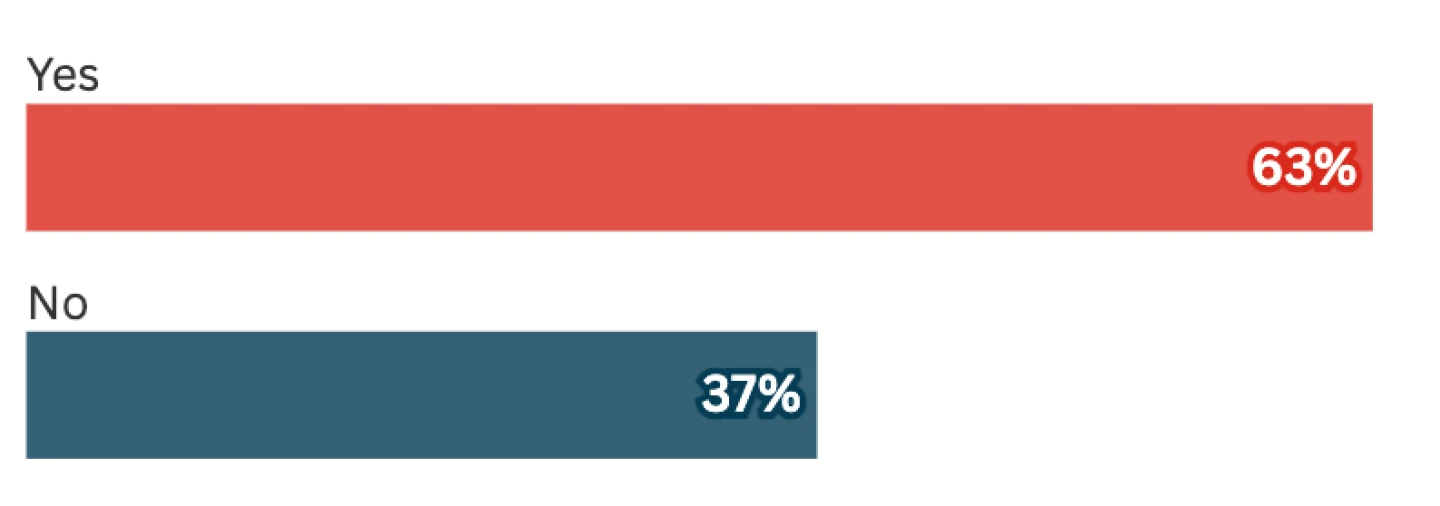
Will the outcome of the presidential election have a substantive effect on drug prices?
SOURCE: BioSpace LinkedIn poll, October 2024
BioSpace delves into the potential implications of various policies and legislation on the biopharma sector.
Trump vs. Harris: IRA, Biosimilars, March-In Rights, and PBMs
Kamala Harris has highlighted the Inflation Reduction Act (IRA) as a significant achievement for the Biden administration, proudly noting her integral role in the Senate tie-breaking vote. She aims to broaden the IRA’s cost-saving measures beyond Medicare to benefit a wider audience. In contrast, Trump may consider repealing the IRA entirely, according to former advisors and Project 2025 representatives. He may support initiatives that promote the development of biosimilars to foster competition against expensive brand-name medications. Following legislation signed by Trump in 2018, the Federal Trade Commission gained greater access to biosimilar agreements, leading to a surge in biosimilar approvals since then.
Another policy area where the candidates diverge is in the domain of “march-in rights,” which allow the government to revoke drug patents linked to federally funded research. Analysts believe Harris may explore such rights while a Trump administration would likely refrain from compromising the industry’s intellectual property protections.
Both candidates anticipate increasing scrutiny on pharmacy benefit managers as part of their strategies to lower consumer costs.
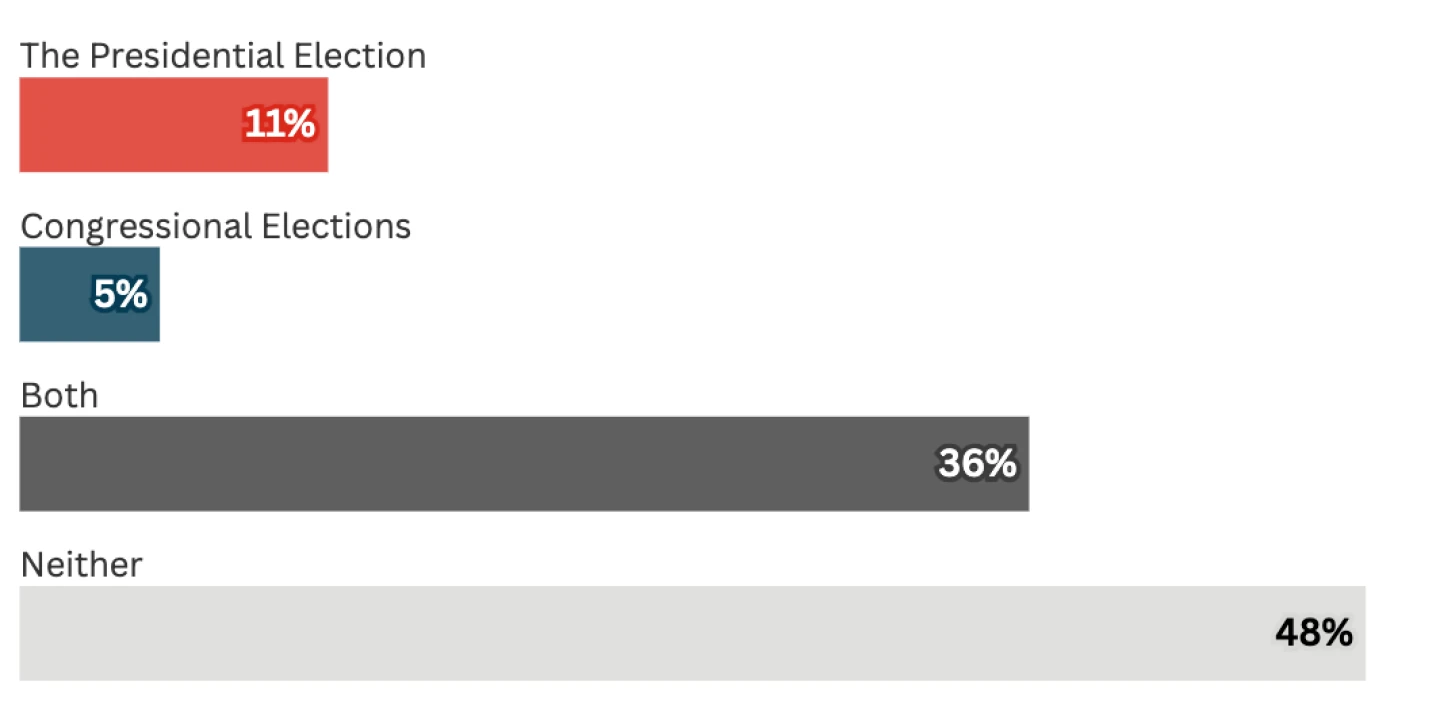
Will proposed fixes for high drug pricing in the U.S. affect your vote in any of the 2024 elections?
SOURCE: BioSpace LinkedIn poll, March 2024
Legislative Considerations on State Ballots
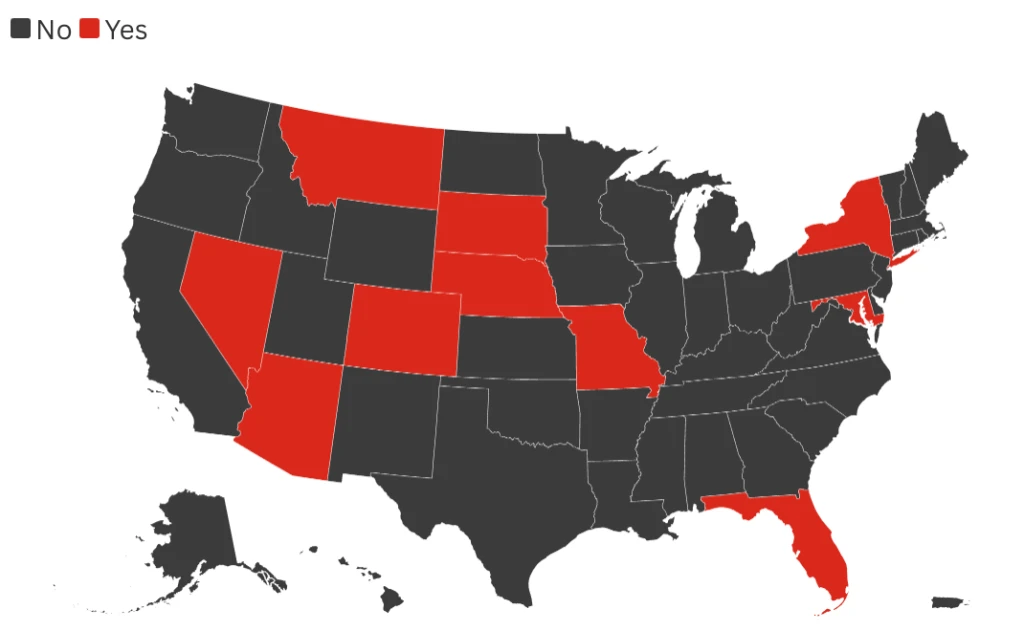
The election also poses significant implications for reproductive and women’s healthcare issues. Following the Supreme Court’s reversal of Roe v. Wade in June 2022, the power to regulate abortion and IVF services shifted to state governments, leading to discrepancies in availability nationwide and endangering women’s health research. In this election cycle, ten states have proposed abortion-related measures on their ballots.
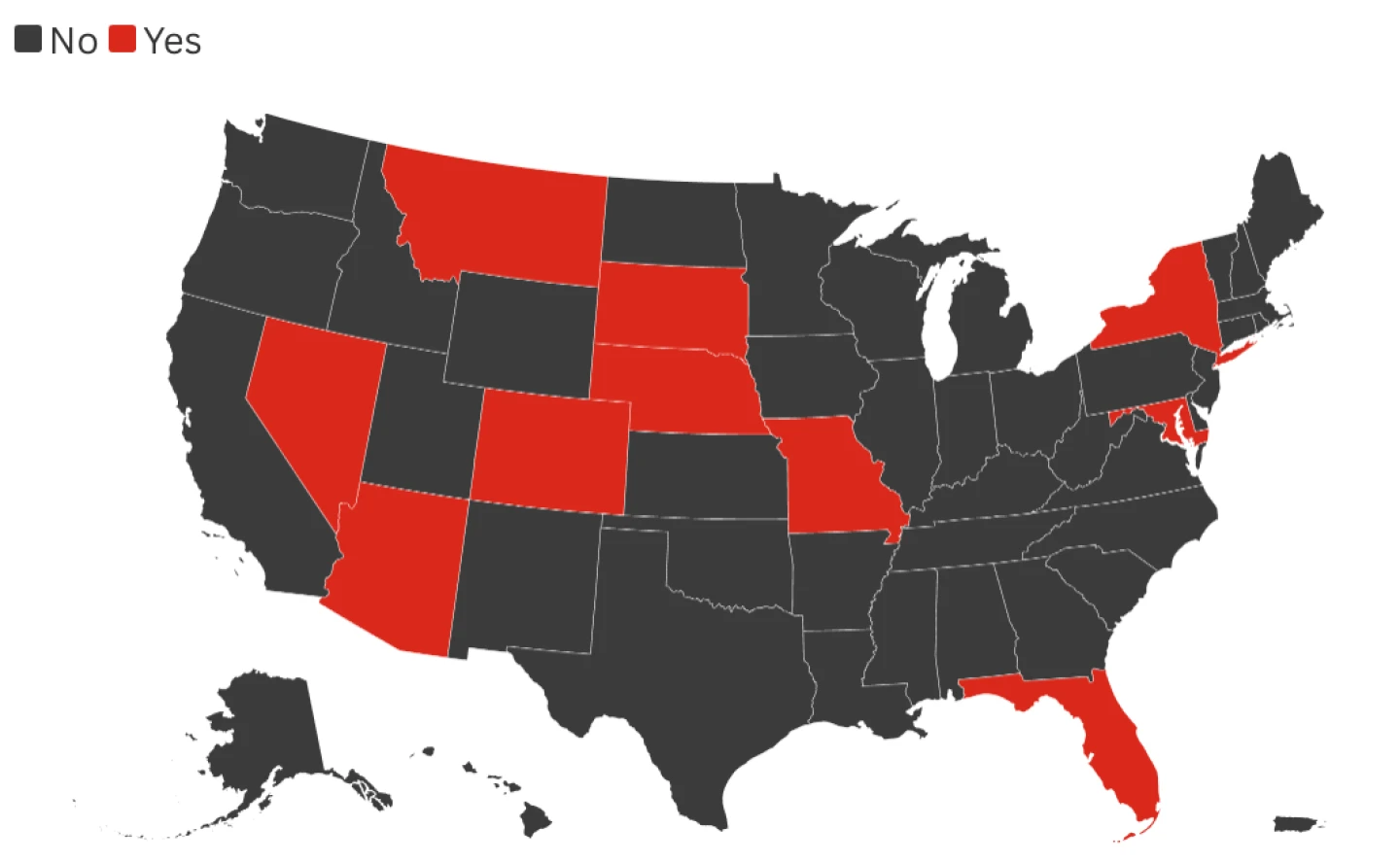
States with Abortion Measures on the Ballot
Additionally, some Republican-dominated states are renewing efforts to restrict access to mifepristone, raising concerns within the biopharma sector over potential FDA involvement. In response, a coalition of women in biotech organized letter campaigns and legal briefs to advocate for access.
Women’s health extends beyond state legislation; the Biden administration recently proposed a rule aimed at facilitating access to contraceptives under the Affordable Care Act. Trump has presented himself as an advocate for women’s reproductive rights, although details regarding his approach remain unclear.
In addition to women’s health issues, Massachusetts will hold a vote concerning the legalization of plant-based psychedelics. This could have significant repercussions for biopharmaceutical companies developing therapies involving MDMA and psilocybin. While progress is being made, these developers must navigate challenges posed by both state and federal regulations that hinder research and development efforts.
Editor’s note: This article initially appeared as a Special Edition of Biopharm Executive, BioSpace‘s weekly newsletter focused on business and financial news. You can subscribe here.