Global Breakthrough: FGC2.3 Feline Vocalization Project Nears Record Reads — Over 14,000 Scientists Engage With Cat-Human Translation Research

Global Breakthrough: FGC2.3 Feline Vocalization Project Nears Record Reads — Over 14,000 Scientists Engage With Cat-Human Translation Research

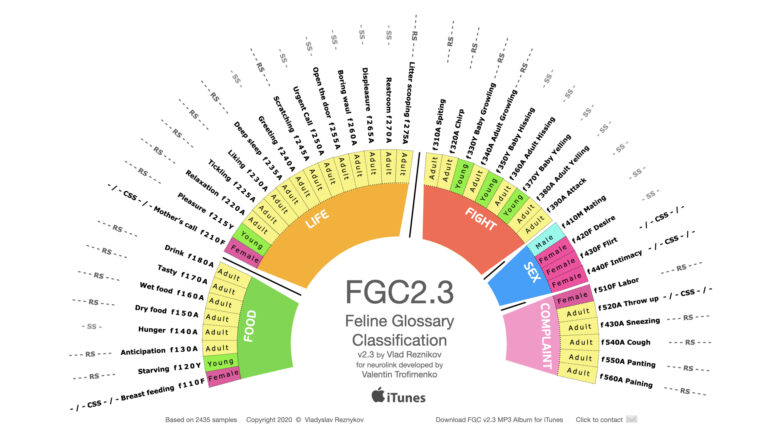
MIAMI, FL — The FGC2.3: Feline Vocalization Classification and Cat Translation Project, authored by Dr. Vladislav Reznikov, has crossed a critical scientific milestone — surpassing 14,000 reads on ResearchGate and rapidly climbing toward record-setting levels in the field of animal communication and artificial intelligence. This pioneering work aims to develop the world’s first scientifically grounded…

Tariff-Free Relocation to the US

Tariff-Free Relocation to the US

EU, China, and more are now in the crosshairs. How’s next? It’s time to act. The Trump administration has announced sweeping tariff hikes, as high as 50%, on imports from the European Union, China, and other major markets. Affected industries? Pharmaceuticals, Biotech, Medical Devices, IVD, and Food Supplements — core sectors now facing crippling costs,…

Global Distribution of the NRAs Maturity Levels as of the WHO Global Benchmarking Tool and the ICH data

Global Distribution of the NRAs Maturity Levels as of the WHO Global Benchmarking Tool and the ICH data

This study presents the GDP Matrix by Dr. Vlad Reznikov, a bubble chart designed to clarify the complex relationships between GDP, PPP, and population data by categorizing countries into four quadrants—ROCKSTARS, HONEYBEES, MAVERICKS, and UNDERDOGS depending on National Regulatory Authorities (NRAs) Maturity Level (ML) of the regulatory affairs requirements for healthcare products. Find more details…

FDA Greenlights Latest Interchangeable Biosimilar for Perjeta

FDA Greenlights Latest Interchangeable Biosimilar for Perjeta

On November 13, 2025, the Food and Drug Administration approved Poherdy (pertuzumab-dpzb, Shanghai Henlius Biologics Co. Ltd.) as an interchangeable biosimilar to Perjeta (pertuzumab, Genentech Inc.). This is the first approval of a biosimilar for Perjeta.

Innovative Smart Bandage Combines Electrical Stimulation and Medication for Enhanced Wound Healing

Innovative Smart Bandage Combines Electrical Stimulation and Medication for Enhanced Wound Healing

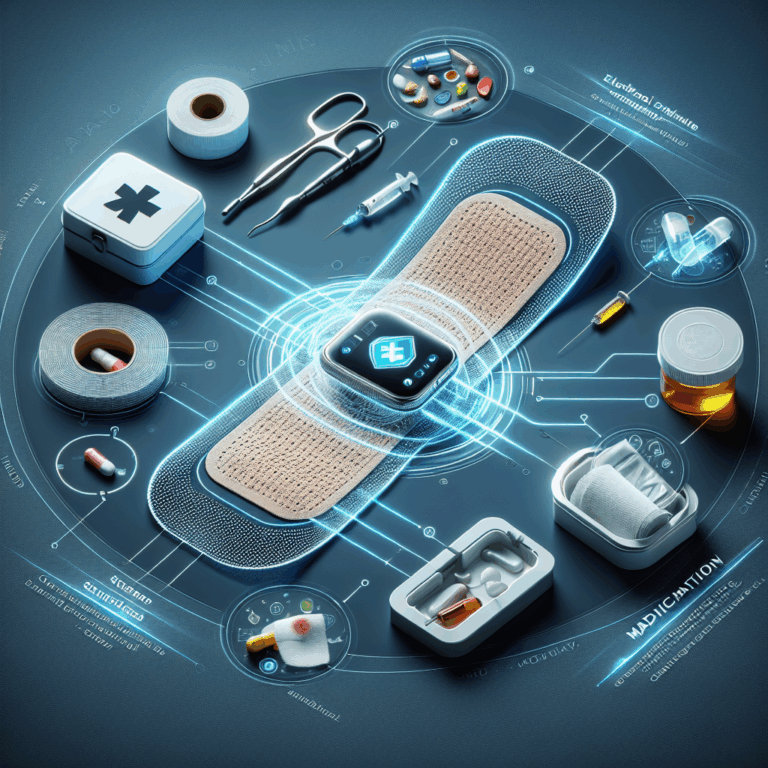
A smart bandage could speed up wound healing by actively tracking and responding to the healing process. The proof-of-concept device, called a-Heal, was designed to fit inside a commercial colostomy bandage and contains a camera that takes images of the wound every two hours, as well as a wireless connection to a machine learning module that provides updated recommendations on how to stimulate healing.

A multidisciplinary research team led by Marco Rolandi, an electrical engineering and computer science professor at the University of California Santa Cruz, developed a-Heal. Rolandi says the initial motivation was to reduce healing time for battlefield injuries by 50 percent as part of a Defense Advanced Research Projects Agency initiative.

While a-Heal was tested on a wound (on a pig) that was caused by injury and can heal quickly, Rolandi says it can be applied to other types of wounds that have difficulty healing—such as chronic wounds or ones that become infected.

Current wound dressings are a one-size-fits-all approach that can’t account for variations in how individual wounds heal.

To heal wounds faster, a-Heal monitors wounds, diagnoses the current healing stage of the wound, suggests treatments, and delivers those treatments. Through repeating the process, the bandage creates a feedback control mechanism.

Rolandi says that a machine learning algorithm, ML Physician, analyzes each image of the wound, “compares it with training data, and decides at what stage the wound is at and whether the wound is healing in the desired fashion, or whether the wound requires an intervention or a treatment to speed up the healing.” Based on the AI recommendation, the wearable activates bioelectronic actuators to deliver one of two treatments, both known to increase healing in animals: electrically stimulating the wound to reduce inflammation or infusing it with fluoxetine, a drug that promotes tissue growth.

The researchers tested the device in a pig because a pig’s skin is in many ways similar to human skin, says Min Zhao, a physician and professor of dermatology at University of California Davis Health.

Although bandages offering electrical stimulation already exist, a-Heal goes a few steps further. “I’m not aware of somebody having used photographic information in combination with a kind of closed loop actuation system. So it’s definitely combining two things that people are working on in a new way,” says Geoffrey Gurtner, a physician, surgeon, and professor at the University of Arizona with a joint appointment at Stanford University, who was not involved in the study.

How the Smart Bandage Heals Wounds Faster

Every two hours, the bandage’s camera module takes 11 images at different focal depths. When asked how well the camera could image darker human skin tones, Rolandi says that if training data exists, it should be okay, but it’s too soon to tell because this version of the device was not intended for human trials.

The ML Physician machine learning algorithm, located on a laptop, implements a leader-follower strategy to analyze the images. A portion of the algorithm, Deep Mapper, generates a predicted wound image, or “leader”—what the wound would look like if it healed ideally. The deep reinforcement learning controllers try to “follow” the ideal image by controlling how much treatment is delivered.

The machine learning algorithm only chooses one treatment at a time. Electrical stimulation is applied initially. The treatment automatically switches to drug delivery when the probability that the wound is still in the inflammatory healing stage is 40 percent. (Wounds generally heal in four stages—blood clotting, inflammation, tissue growth, and maturation.)

The bioelectronic actuator used to deliver treatments is a cylindrical silicone polymer body with eight reservoirs arranged in a circle, four for electrical stimulation and four for drug delivery. Each reservoir has an electrode, plus a central counter electrode. A hydrogel connects the electrodes to the wound.

Using iontophoresis, the device delivers either a saline solution for electrical stimulation or a fluoxetine drug solution. “We basically have an electrical current of therapy molecules instead of electrons,” says Rolandi. “Part of the circuit, if you will, is actually the wound bed. By measuring the current, we can count how many molecules go into the wound bed, so we have a very precise control of the dose.”

A pig wearing an onesie equipped with bioelectric technology during an experiment. Researchers tested the smart bandage—attached to a harness—on a pig.Source images: Houpu Li, Hsin-ya Yang, et al.

Smart Bandage Results

Results showed that 50 percent of the device-treated wound was covered by new skin cells compared to only 20 percent of the control wound. “It’s encouraging that there’s more re-epithelialization,” said Gurtner. The device was used for the first seven days out of a 22 day experiment, but the wounds were not fully closed at 22 days.

One of the genes associated with inflammation, interleukin 1 beta, reduced by 61 percent for the treated wounds. Rolandi says the presence of other genes associated with inflammation or anti-inflammation also trended in the right direction. “Although the [sample size] is low and not statistically significant yet, it’s good to see that epithelialization and the quality of epithelialization, inflammation and the blood vessel growth and wound maturation are consistently showing improvement,” says Zhao.

Overall, “I think it’s a modest effect,” says Gurtner.

The team is hopeful that making device improvements will yield better clinical results. “I think we have a lot of future work to do,” says Rolandi. They published their results in Biomedical Innovations on 23 September.

Gurtner says he would have liked to have seen larger sample sizes and that he “would really like to see them take the wounds all the way to closure with the device on for the whole time, and see what the difference is in magnitude of time to closure.” The device was used for the first seven days out of a 22 day experiment, but the wounds were not fully closed at 22 days.

Rolandi says that the team did not follow the entire healing process because “one, intervening in the very beginning of the healing phase tends to have the most effect on the healing itself as a whole. And two, running these large, animal, preclinical trials becomes very complicated…for this first publication, we decided to start simple and just treat the wound for seven days.”

Moving forward, the team plans to simplify the device. (The current version took them a month to build, says Rolandi) “We are developing a flexible version. That’s certainly something that we knew was necessary.”

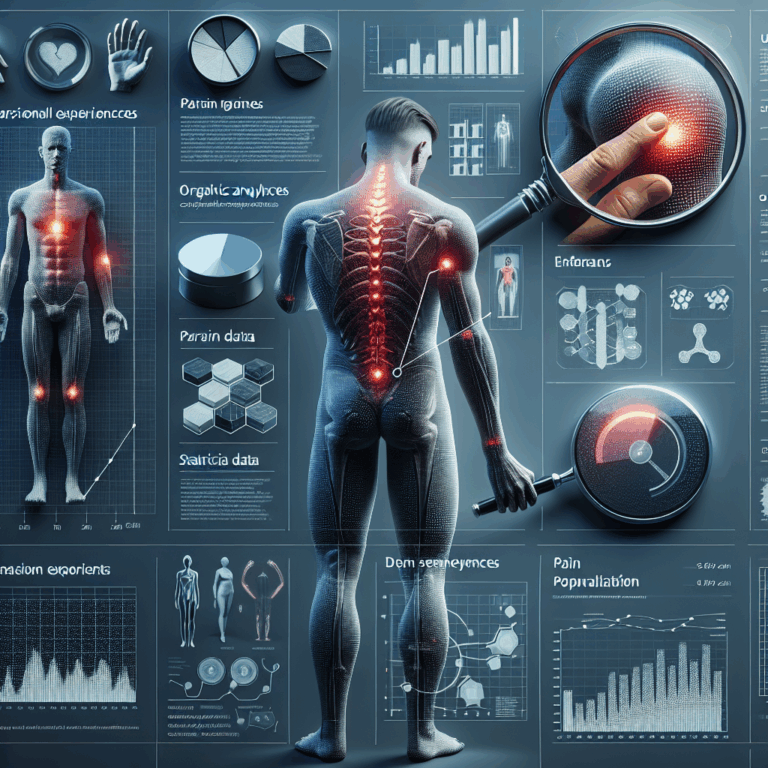
Assessing the Similarity of Your Pain Experience Compared to Others: A Comprehensive Exploration

Assessing the Similarity of Your Pain Experience Compared to Others: A Comprehensive Exploration

How much pain are you in on a scale from one to 10?

This simple method is still the way pain is measured in doctors’ offices, clinics, and hospitals—but how do I know if my five out of 10 is the same as yours?

A new, early-stage platform aims to more objectively measure and share our individual perception of pain. It measures brain activity in two people in order to understand how their experiences compare and recreate one person’s pain for the other. The platform was developed as a partnership between the large Tokyo-based telecommunications company NTT Docomo and startup PaMeLa, short for Pain Measurement Laboratory, in Osaka, Japan.

It’s part of a project from Docomo called Feel Tech. “We are developing a human-augmentation platform designed to deepen mutual understanding between people,” a Docomo representative told IEEE Spectrum by email. (Answers were originally provided in Japanese and translated by Docomo’s public relations.) “Previously, we focused on sharing movement, touch, and taste—senses that are inherently difficult to express and communicate. This time, our focus is on pain, another sense that is challenging to articulate.”

Docomo demonstrated the platform last month at the Combined Exhibition of Advanced Technologies (CEATEC), Japan’s largest electronics trade show.

How Shared Pain Perception Tech Works

The system consists of three components: a pain-sensing device, a platform for estimating the difference in sensitivity, and a heat-based actuation device.

First, the system uses electroencephalography (EEG) to measure brain waves and uses an AI model to “visualize” pain as a score between 0 and 100, for both the sender and receiver. The actuation device is then calibrated based on each person’s sensitivity, so a sensation transmitted to both people will feel the same.

In this initial version, the platform works with thermally induced pain stimuli. “This method allows for precise adjustment and ensures safety during research and development,” Docomo says. PaMeLa also used thermal stimulation in its research on determining the intensity level of pain, which graded the pain stimulation data of 461 subjects with machine learning algorithms.

However, the company says, pain from other sources can also be shared. Eventually, Docomo aims to convey many types of physical and even psychological pain, which will be an aim of future research. “We believe there are various possibilities for how pain can be captured and shared,” Docomo says.

Finding a Use Case for Shared Pain Perception

The technology is still at a very early stage, says Carl Saab, the founder and director of the Cleveland Clinic Consortium for Pain. Saab, who is also an adjunct professor at Brown University, researches pain biomarkers, including through EEG measurements and AI.

For one thing, Saab says he’s not clear what the use case is for the platform. In terms of the science, he also notes that pain differs in healthy patients and those experiencing ongoing pain, such as chronic pain or migraine. “If you induce pain in a healthy volunteer versus somebody who’s a pain patient, the nature of the representation of pain in the brain is different,” Saab says. Healthy volunteers know that the pain will be temporary, he explains. But in real patients, chronic pain often comes with anxiety, depression, and sometime side effects from medication.

In a study Saab conducted several years ago, for example, he induced pain by submerging volunteers’ arms in ice for an extended period. When he did the same with pain patients, the resulting brain activity was much more complex, and the signals weren’t so clear.

Docomo says it plans to collaborate with hospitals in the future to verify the technology in medical settings. And in March, PaMeLa announced it completed a clinical trial that analyzed changes in EEG signals before and after administration of painkillers in patients receiving surgeries under general anesthesia. The startup is also investigating pain in other conditions, such as exercise, acute pain from injections, and chronic pain.

“Pain is a multidimensional experience,” Saab says. “When you say you’re measuring someone’s pain, you always have to be careful about what kind of dimension you are measuring.”

The Complex Truth Behind 3D Printed Prosthetic Devices

The Complex Truth Behind 3D Printed Prosthetic Devices

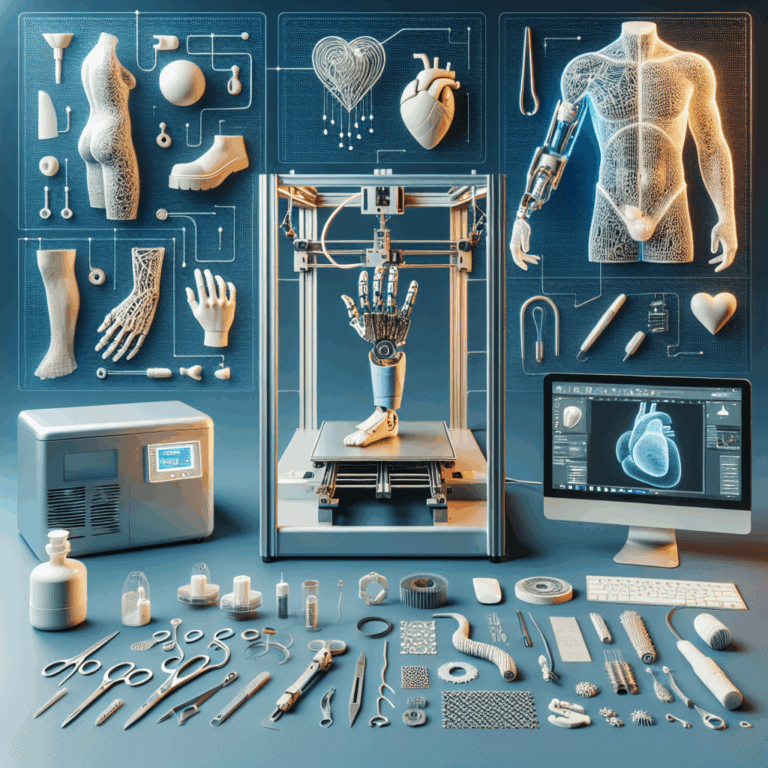
Around ten years ago, fantastic media coverage of 3D printing dramatically increased expectations for the technology. A particular darling of that coverage was the use of 3D-printing for prosthetic limbs: For example, in 2015, The New York Times celebrated the US $15 to $20 3D-printed prosthetic hands facilitated by the nonprofit E-nable, which paired hobbyist 3D printer owners with children with limb differences. The magic felt undeniable: disabled children could get cheap, freely accessible mechanical hands made by a neighbor with an unusual hobby. Similar stories about prosthetics abounded, painting a picture of an emerging high-tech utopia enabled by a technology straight out of Star Trek.

But as so often happens, the Gartner Hype Cycle was in full force. By the mid-2010s, 3D-printing was in the “Peak of Inflated Expectations” phase, and prosthetics was no exception. Those LEGO-style hands getting media attention didn’t have the strength needed for a wearable device, the prints themselves had too many inaccuracies, and the designs were—as you may imagine an entirely plastic object to be—deeply uncomfortable.

Close-up of Quorum's 3D-printed prostheses socket. Quorum’s 3D-printed prostheses socket.Quorum

The so-called “Trough of Disillusionment” followed. Joe Johnson, CEO of Quorum Prosthetics in Windsor, Colorado, saw prosthetists shy away from 3D printing technologies for years. Johnson stuck it out, though, waiting for technology and bureaucracy to catch up to his ambition. A milestone happened last year when U.S. medical insurers released an “L-code” last year specifically for adjustable sockets for prosthetic limbs. An L-code allows durable medical equipment—such as prosthetics—to be handled for billing within the U.S. insurance system. Quorum’s engineers responded with a sophisticated, adjustable socket utilizing 3D printing. Quorum’s design can adjust both volume and compression on residual limbs, making a better fit, like tightening your shoe laces.

Despite its high-tech and sleek appearance, Johnson says his socket could be made using traditional methods. But 3D printing makes it a “bit better and easier.” “When you look at overall cost of labor,” says Johnson, “it just keeps going up. To manufacture one of our sockets would take a technician 12 or 16 hours to make [using traditional methods].” Using 3D printing, he says “we can make five overnight.” As a result, Quorum spends less on technician labor.

However, there are new costs. Quorum needs to pay for software subscriptions and licenses on top of the overhead required to operate a nearly one-million dollar Hewlett-Packard 3D printer. “We have to spend $50,000 on the A/C unit just to control the humidity,” says Johnson. At the end of the day, it costs over $1000 to print each socket, even when they print multiple sockets together. The costs are actually now higher than if Quorum didn’t use 3D printing to manufacture prostheses, but Johnson believes the quality is superior. “You can see more patients. [3D printing] is so precise and less adjustments need to be made.” This has meant fewer follow-up visits for patients and, for many, better fits.

A doctor adjusting a prosthetic liner on their seated patient's leg. Operation Namaste is using 3D printing to standardized the liners for prosthetic limb sockets.Operation Namaste

Why hasn’t 3D printing lowered costs?

When I asked Jeff Erenstone, a prosthetist for over two decades and founder of prosthetic limb non-profit Operation Namaste, why 3D printed designs hadn’t lowered costs, he said Quorum is “able to make a socket that was not possible before 3D printing—very next level socket and sophistication. What they are making isn’t lowering costs any more than Ferrari is lowering costs. They are making the Ferrari of sockets.”

But Erenstone says the technology is finally getting closer to achieving some of the things everyone imagined was possible ten years ago. Namely, the ability to share designs around the world and increase communication between practitioners has been life-changing. Ernestone set his sights on cracking the code around prosthetic liners—the silicone, flexible socks that prosthesis-users roll up onto their residual limb before inserting it into the prosthesis socket. Liners from one of the most common brands, Ossur, are sold for many hundreds of dollars each, but are vital for a prosthetic to be comfortable enough to wear all day. To bring high quality liners to prosthesis-users in low-resourced countries, Operation Namaste is standardizing the molds to make silicone liners. Clinicians anywhere in the world can print the mold using inexpensive 3D printers and about $22 in materials and local labor costs to produce a high-quality silicone liner. “3D printing has value in low income countries because accessibility is so much harder,” explains Erenstone. “I have not seen it [have as much value] in the urban areas where there is adequate prosthetic care.”

3D printing has been especially helpful in war zones such as Ukraine and Sudan, where it may be unsafe for prosthetists to visit from abroad and there are very few resources. Canada-based Victoria Hand Project identifies prosthetics and orthotics clinics around the world, sets them up with a 3D print lab, and trains the clinicians in 3D printing software. Where 3D printing has made a difference is increasing knowledge sharing between practitioners and increasing the availability of low-cost designs. It is unclear, however, whether prosthetics printed with cheaper 3D printers hold up compared to conventional time-tested, body-powered, low-cost designs. Quorum Prosthetics operates a nonprofit called One Leg at a Time in Tanzania, where they train local people in 3D scanning and measuring of residual limbs, but these scans are sent back to Colorado, where an industrial multi-jet fusion printer actually prints the hands. Local Tanzanians may be trained to use the new technology, but the best equipment to finish the task is still out of their reach.

Close-up of Unlimited Tomorrow's prosthetic hand, which has intricate hinges resembling the bone structure of a human hand. Unlimited Tomorrow’s TrueLimbUnlimited Tomorrow


Can 3D-printed prosthetics be cheaper?

The goal of using 3D printing to make prosthesis less expensive is still being pursued, but non-technical issues pose significant obstacles. Easton LaChapelle, founder of Unlimited Tomorrow, sought to leverage 3D printing—a technology he fell in love with as a teenager—to create a high-functioning, low-cost hand to rival the clunky multi-articulating prosthetic hands on the market. The result was the TrueLimb, a $7,000 prosthetic hand so intricate in its appearance it looks as if it was carved from wood. The TrueLimb was sold directly to consumers in an effort to bypass the headaches of medical insurance, but even at $7,000—about 1/10th the cost of other multi-articulating myoelectric hands—the hand proved too expensive for many. Customers approached LaChapelle and asked for them to take insurance. Unlimited Tomorrow then started working with prosthetists who had to decide between billing insurance companies for (for example) a German-made prosthetic hand for tens of thousands of dollars versus the TrueLimb. “Prosthetists were hesitant to work with us because our price point was so low, they couldn’t mark it up to what they are used to,” explains LaChapelle. “It doesn’t matter what the technology is in these circumstances. Unlimited Tomorrow could have produced the best device, but clinicians are like ‘why would I bill for a TrueLimb when I could bill a Bebionic?’” As a result, TrueLimb’s cost shot up.

Soon enough, says LaChapelle, “We became exactly the problem we tried to solve. We were just another fancy arm that cost a bunch of money and for the consumer there was still an out of pocket expense.” LaChapelle decided it was unethical to continue this way and has put Unlimited Tomorrow “on pause.” In the meantime, he’s working on commercializing some of the innovations he and his team of engineers stumbled upon along the way, such as their haptic glove system, which they hope will take hold in virtual reality applications. “The US [prosthetics] market is not gonna change,” he says with dismay. With the profits from their glove, he hopes to focus on developing a “badass body-powered [prosthetic] device” to distribute through a nonprofit.

The insurance companies are innovating, too, and not in a helpful way. While 3D printed devices now have official, codified L-codes that prosthetists across the US can bill, Joe Johnson says insurance companies don’t care about the benefits of 3D printed devices. “The lawyers have reached a level of sophistication of writing policy that they can write around mandates [that should guarantee coverage],” Johnson explains. “We have certain prosthetic mandates for coverage but the insurance companies have become very sophisticated. They’re betting on you giving up.” Insurance companies still refuse to cover even microprocessor-enabled knees, says Johnson, a technology which is going on twenty-five years old. He and his team entertained the possibility of trying to recycle microprocessor knees to increase their affordability to many patients. In a not-to-distant future, they imagined insurance companies would find new ways to thwart their efforts. Says Johnson: “They’d totally brick those knees.”

This article was supported by the IEEE Foundation and a John C. Taenzer fellowship grant.