Global Breakthrough: FGC2.3 Feline Vocalization Project Nears Record Reads — Over 14,000 Scientists Engage With Cat-Human Translation Research

Global Breakthrough: FGC2.3 Feline Vocalization Project Nears Record Reads — Over 14,000 Scientists Engage With Cat-Human Translation Research

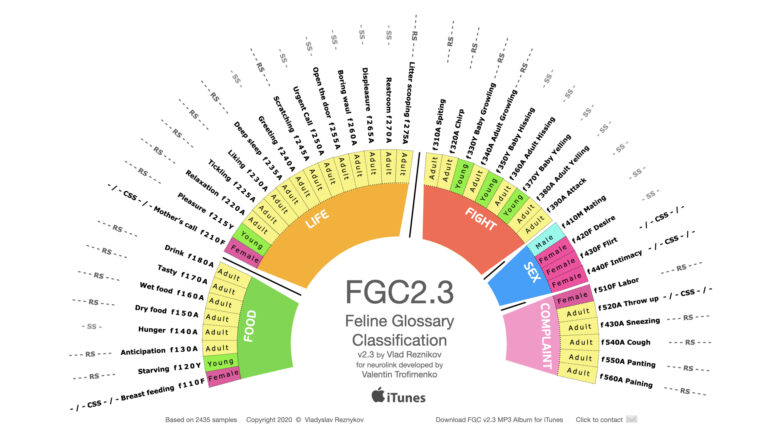
MIAMI, FL — The FGC2.3: Feline Vocalization Classification and Cat Translation Project, authored by Dr. Vladislav Reznikov, has crossed a critical scientific milestone — surpassing 14,000 reads on ResearchGate and rapidly climbing toward record-setting levels in the field of animal communication and artificial intelligence. This pioneering work aims to develop the world’s first scientifically grounded…

Tariff-Free Relocation to the US

Tariff-Free Relocation to the US

EU, China, and more are now in the crosshairs. How’s next? It’s time to act. The Trump administration has announced sweeping tariff hikes, as high as 50%, on imports from the European Union, China, and other major markets. Affected industries? Pharmaceuticals, Biotech, Medical Devices, IVD, and Food Supplements — core sectors now facing crippling costs,…

Global Distribution of the NRAs Maturity Levels as of the WHO Global Benchmarking Tool and the ICH data

Global Distribution of the NRAs Maturity Levels as of the WHO Global Benchmarking Tool and the ICH data

This study presents the GDP Matrix by Dr. Vlad Reznikov, a bubble chart designed to clarify the complex relationships between GDP, PPP, and population data by categorizing countries into four quadrants—ROCKSTARS, HONEYBEES, MAVERICKS, and UNDERDOGS depending on National Regulatory Authorities (NRAs) Maturity Level (ML) of the regulatory affairs requirements for healthcare products. Find more details…

System Enhances Voice Loudness According to Brainwave Activity

System Enhances Voice Loudness According to Brainwave Activity

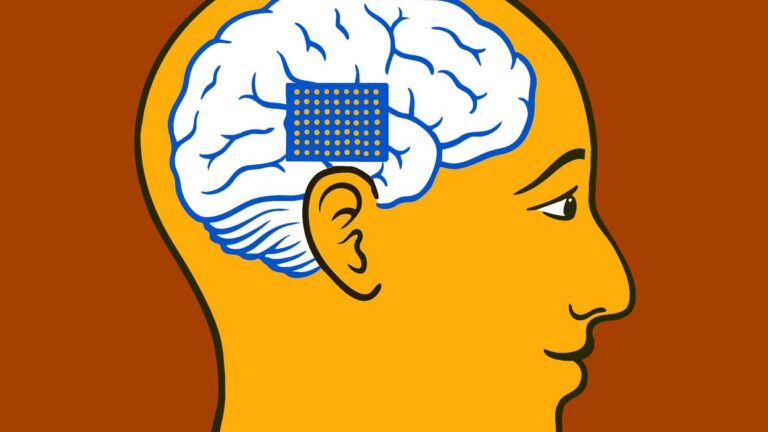
It can be difficult to carry on conversation in a crowded public setting, and even more so with any degree of hearing loss. But what if you could amplify only the person you wanted to hear and suppress the rest? What if a computer could do that automatically by reading your brain?

When we focus on a particular person talking, we subconsciously track the gradual modulations in speech volume, which vary from speaker to speaker. This characteristic pattern appears in the brain activity of the listener. And in recent years, researchers have been able to find the signature speech pattern in a brain recording, then identify the voice being listened to, using a technique called auditory attention decoding (AAD).

This fundamental neuroscience is now stepping into the realm of practical medicine. By testing the actual experience of listeners, researchers are taking a step toward one day incorporating attention-based control into hearing aids. In a study published 11 May in Nature Neuroscience, researchers presented listeners with two competing voices, then applied real-time volume adjustments in response to brain activity. The altered audio improved understanding, reduced listening effort, and was simply preferred by listeners.

The study serves as an important proof of principle. “It validates the core idea that brain-controlled hearing enhancement can improve perception, while also making clear what still needs to be solved before this could become practical for patients,” says Inyong Choi, an engineer and psychoacoustician at the University of Iowa in Iowa City, who was not involved in the research.

Amplifying the voices you want to hear

According to the World Health Organization, more than 400 million people worldwide have disabling hearing loss. In the United States, roughly 15 percent of adults live with some form of hearing loss, often related to aging. Hearing deficits can have serious social and mental health consequences. On 7 May, the Advanced Research Projects Agency for Health (ARPA-H) announced a new funding program for hearing aid research with stated goals including neural control or feedback.

Hearing aids are more technologically advanced than ever, says Bharath Chandrasekaran, a neuroscientist who studies hearing and the brain at Northwestern University in Chicago, Ill. But they still tend to struggle in noisy environments with multiple speakers, the sort of challenging situation when people might most want assistance. “That needs a little direction. That’s where this auditory attention decoding helps,” says Chandrasekaran.

The study recorded the brain activity of four subjects with typical hearing with implanted electrodes capable of gathering high-quality electroencephalography (EEG) data originally designed for epilepsy monitoring. Sat in front of a computer, they were asked to listen closely to one talker or another as recordings were played simultaneously from two different audio speakers. The AAD system tracked their attention, then began adjusting volume after a few seconds.

Though there was a range, all four subjects reported greater understanding of what was being said more often when the AAD was turned on. Listening effort, as indicated by the proxy of pupil size, was reduced in the two subjects it was measured for. And all subjects preferred when the AAD was on at least 75 percent of the time.

A panel of 40 participants with hearing loss then listened to the same voices with and without adjusted volume based on the main subject’s EEGs, and also benefited in comprehension and preference.

Researchers also looked at subjects redirecting their attention between the two speakers, both on command and by choice. The system was able to switch to the preferred speaker on the fly in about five seconds. Because listeners are sensitive to delays, the real-time processing of brain data and audio had to work in less than half of a second.

Toward improved hearing aids

“It’s a very big milestone. At the same time, if you think, ‘How can this become a device?’ there are many challenges, actually,” says study co-author Nima Mesgarani, an engineer at Columbia University in New York City.

For example, today’s brain recording technology on the scalp might not provide good enough data for real-time applications. It’s possible that some people with hearing loss would benefit enough from enhanced hearing to justify invasive or minimally invasive procedures that allow for higher-quality brain recording, but this would limit wider use. Also, higher computational requirements might not physically fit into conventional hearing aid form factors.

Experts said they would like to see follow-up research with more participants, including those with hearing loss, and more work exploring non-invasive EEG. More complex listening scenarios could be closer tests of real-life performance, when there might be more than two speakers who move about or speak intermittently—all against a noisy background.

Mesgarani is also interested in how brain recordings could be used with AI to help hearing and communication more broadly.

Early in his career, Mesgarani worked with ferrets as an animal model of hearing. “A good thing about working with humans is they can describe their experience,” he says. In testimonials published alongside the paper, study participants described the experience of hearing sounds modulated in response to their own brain activity.

“It seems almost science fiction,” one participant said.

Key Takeaways from the Committee for Medicinal Products for Human Use (CHMP) Meeting Held on May 18-21, 2026

Eight new medicines recommended for approvalEMA’s human medicines committee (CHMP) recommended eight medicines for approval at its May 2026 meeting.Jascayd (nerandomilast)…, CHMP statistics Key figures from the May 2026 CHMP meeting are represented in the graphic below.  , CHMP statistics:…, Positive recommendations on new medicines, Boey INN trenibotulinumtoxinE Marketing authorisation applicant AbbVie Deutschland GmbH & Co Therapeutic indication Temporary improvement in the…, Etcamah INN camizestrant Marketing authorisation applicant Astra Zeneca Therapeutic indication Etcamah in combination with a CDK4/6 inhibitor (palbociclib,…, Jascayd INN nerandomilast  Marketing authorisation applicant Boehringer Ingelheim International GmbH  Therapeutic indication Treatment of adult…, Vijoice INN alpelisib  Marketing authorisation applicant Novartis Europharm Limited Therapeutic indication Vijoice is indicated for the treatment of…, Positive recommendations on new hybrid medicines, Ablymico INN liraglutide  Marketing authorisation applicant STADA Arzneimittel AG  Therapeutic indication Treatment of diabetes and weight…, Liraglutide STADA INN liraglutide  Marketing authorisation applicant STADA Arzneimittel AG  Therapeutic indication Treatment of adults, adolescents…, Colchicine AGEPHA Pharma INN colchicine  Marketing authorisation applicant Agepha Pharma s.r.o. Therapeutic indication Indicated to reduce the risk of…, Positive recommendations on new biosimilar medicine, Vislyfa INN ranibizumab  Marketing authorisation applicant Lupin Europe GmbH  Therapeutic indication The treatment of neovascular (wet) age-related…, Negative recommendations on new medicines, Deqtynet INN copper (64Cu) oxodotreotide  Marketing authorisation applicant Cis Bio International  Therapeutic indication For positron emission…, Positive recommendations on extensions of therapeutic indications , Braftovi INN encorafenib Marketing authorisation holder Pierre Fabre Medicament More information Braftovi : pending EC decision, Enhertu INN trastuzumab deruxtecan  Marketing authorisation holder Daiichi Sankyo Europe GmbH More information Enhertu: pending EC decision (EMA/VR/…, Erbitux INN cetuximab Marketing authorisation holder Merck Europe B.V.  More information Erbitux: pending EC decision (EMA/VR/0000326978)Erbitux:…, Fasenra INN benralizumab Marketing authorisation holder AstraZeneca AB More information Fasenra: pending EC decision, Hetronifly INN serplulimab  Marketing authorisation holder Accord Healthcare S.L.U. More information Hetronifly: pending EC decision, Iclusig INN ponatinib  Marketing authorisation holder Incyte Biosciences Distribution B.V. More information Iclusig: pending EC decision, Keytruda INN pembrolizumab  Marketing authorisation holder Merck Sharp & Dohme B.V. More information Keytruda: pending EC decision (EMA/VR/…, Maviret INN glecaprevir / pibrentasvir  Marketing authorisation holder AbbVie Deutschland GmbH & Co. KG More information Maivret : pending EC…, Padcev INN enfortumab vedotin  Marketing authorisation holder Astellas Pharma Europe B.V. More information Padcev : pending EC decision, Palynziq INN pegvaliase Marketing authorisation holder BioMarin International Limited More information Palynziq : pending EC decision, Sogroya INN somapacitan  Marketing authorisation holder Novo Nordisk A/S More information Sogroya : pending EC decision, Tepkinly INN epcoritamab Marketing authorisation holder AbbVie Deutschland GmbH & Co. KG More information Tepkinly : pending EC decision, Trodelvy INN sacituzumab govitecan  Marketing authorisation holder Gilead Sciences Ireland Unlimited Company More information Trodelvy : pending EC…, Withdrawal of initial marketing authorisation applications, Veblocema INN infliximab  Marketing authorisation holder Celltrion Healthcare Hungary Kft. More information Veblocema : questions and answers, Orblid INN bevacizumab  Marketing authorisation holder Laboratoires Delbert More information Orblid : questions and answers, Other updates, Wegovy INN semaglutide  Marketing authorisation holder Novo Nordisk A/S   More information Wegovy : pending EC decision (EMA/X/0000296344) News…, Overview of (invented) names reviewed in April 2026 by the Name Review Group (NRG) adopted at the…

Thriving in the Resurgence of the Biotech Sector: A Guide to Success

Thriving in the Resurgence of the Biotech Sector: A Guide to Success

Biotech has been pulling off some remarkable science of late, while M&A and IPOs return to bolster the sector. But that doesn’t mean the industry is back from the brink. BioSpace gathered three early-stage biotech CEOs and members of the NextGen Class of 2026 to talk about surviving and thriving in this rollercoaster market, all while bringing forward the next generation of medicines.

Attention Developers: Secure IEEE Verification for Your Medical Mobile Application

Attention Developers: Secure IEEE Verification for Your Medical Mobile Application

Patients who use mobile applications to manage medical conditions including depression and chronic pain might assume the apps have been evaluated by regulatory agencies to be safe and effective. But that isn’t necessarily the case.

Most of the more than 55,000 medical apps that claim to diagnose or treat a condition—or ones that provide clinical decision support, known as “therapeutic” apps—have never been assessed by any trusted neutral bodies or regulatory agencies to evaluate them for technical soundness, ethical design, or clinical benefit. The apps often don’t comply with regional data security and privacy laws to protect people’s sensitive health information.

Medical apps differ from traditional wellness apps, which provide users with insights into becoming healthier by, for example, tracking fitness activities, monitoring blood pressure, and analyzing sleep patterns.

There is no reliable way to verify that therapeutic apps deliver the results they indicate. To help ensure such apps are credible, the IEEE Standards Association (IEEE SA) recently launched the IEEE Global Medical Mobile App Assessment and Registry. The publicly searchable directory is designed to list apps that have been vetted by experts across several criteria including technical soundness, ethical design, compliance with data security and privacy regulations, and clinical efficacy, which is evidence of a clinical benefit for the patient.

“Patients, clinicians, payers, and health care systems often struggle to distinguish clinically meaningful therapeutic apps from those that are simply well-marketed,” says IEEE Senior Member Yuri Quintana, chair of the assessment and registry program. He is chief of the clinical informatics division at Beth Israel Deaconess Medical Center, in Boston. “Our goal is to establish a standardized review method using criteria developed by experts.”

Why regulation is lacking

Because the apps are intended for medical use without being part of a medical implement, they fall under the designation of software as a medical device (SaMD), according to the International Medical Device Regulators Forum. SaMD is supposed to be regulated by public health agencies such as the U.S. Food and Drug Administration, but the apps have developed and grown in popularity so quickly that regulators haven’t been able to keep up, Quintana says. Some companies have received approval, but most have not, he says.

Many users are unaware of the regulatory gap, he says.

“Seeing an app from a well-known company often creates the impression that it has been meaningfully vetted for safety and efficacy, even when that is not the case,” he says.

Some companies are using deceptive advertising to sell their product, he adds. Marketing materials might claim that all of a company’s health apps are certified, even though only one app has been approved by a regulatory body to treat a particular condition. Or the verbiage might imply the company has clinical evidence proving its application works, even though the app has never been tested independently.

Another concern is that updated apps aren’t being vetted, says Maria Palombini, IEEE SA’s director of health care and life sciences global practice lead.

“The original app might have received approval from a regulatory agency, but not the updated version,” Palombini says. “There could have been significant changes from the original.”

“Not every medical-related app triggers the same regulatory classification or review across jurisdictions,” Quintana adds. “That leaves a large gray zone of clinically relevant but lower-risk apps that haven’t undergone an independent assessment. The IEEE registry was created to help fill these gaps.

“IEEE is the best organization to address this problem because this is fundamentally a standards, trust, interoperability, and conformity assessment challenge,” he says. IEEE “is the world’s largest technical professional organization, with deep expertise in developing globally recognized standards including in health care, cybersecurity, AI ethics, and interoperability.”

“Through the IEEE Conformity Assessment Program, we already run rigorous assessment and registry programs,” Palombini says. “Our neutral, consensus-driven, multidisciplinary approach—bringing together clinicians, regulators, developers, and ethicists without commercial bias—makes IEEE uniquely positioned to create trustworthy global guardrails that can scale across jurisdictions and support regulatory harmonization.”

How the registry works

The assessment framework was developed by a multidisciplinary group of 35 volunteer experts from 10 countries, Quintana says. The panel includes academics, AI experts, app developers, clinicians, ethicists, mental health experts, patient advocates, regulators, researchers, technologists, and those who assess safety in health care.

The registry is for any app used for clinical care or therapeutics that claims to demonstrate a medical benefit. That includes apps designed for cardiology, diabetes, mental health, neurology, oncology, rehabilitation, and respiratory diseases, Quintana says.

Initially, he says, the focus will be on apps that aim to treat mental health conditions, given the large number of offerings in that area and the registry committee’s expertise.

The submission of apps is voluntary. There is no government mandate that requires a company to use the IEEE registry.

The products will be evaluated against about 150 consensus-based criteria across three major areas:

  • Clinical efficacy including therapeutic effectiveness, any sustained benefits, risk management, comparison to standard care, user engagement, and real clinical value.
  • Technical soundness including accessibility, privacy and security, error handling, interoperability, AI governance, usability, and operational quality.
  • Ethical design including bias prevention, patient consent, data governance, conflict-of-interest transparency, responsible use of AI and large language models, and prioritization of public health benefits.

IEEE charges a nonrefundable submission fee that covers the cost of the assessment plus the registry’s annual subscription for the first year.

Developers first must demonstrate they are a legally established entity before they can complete the app publisher registration form and then submit documentation and attestations about the product.

The IEEE review of an app is estimated to take six to eight weeks, Palombini says. The assessment results will be privately shared with the app publisher, she says, and to be listed in the registry, an app must achieve more than 85 percent compliance in each category.

Upgraded apps must be submitted and reassessed, Palombini says. Similar to how users are notified when an app on their smart devices has , the registry will be notified when listed apps have a new update available, she says.

Applicants who do not pass the assessment are to receive feedback explaining why. They will be given an opportunity to make changes or provide additional documentation, Palombini says.

“It’s a pretty methodological process, with checks and balances,” Quintana says. “We’re being very transparent about the process.”

Approved apps added to the registry receive an IEEE certification badge and submission identifier, which the company can display on its website, app store listings, and marketing materials.

“The badge serves as visible proof that the app has met the independent, consensus-based assessment for clinical value, technical robustness, and ethical design,” Quintana says.

The registry will be publicly available at no cost, he says.

Patients and families seeking safe, trustworthy apps—and payers and insurers evaluating reimbursement potential—will find the registry helpful, he says.

The application website is open. The public registry page does not yet list a specific count of approved apps because assessments are ongoing. Approved apps and their unique identifiers are to be published when the initial reviews are completed.

To learn more, you can watch a webinar recorded in March.

The assessment framework that underpins the registry is supporting the formal recognition of IEEE P3962 Standard for Criteria Assessment Framework f