Global Breakthrough: FGC2.3 Feline Vocalization Project Nears Record Reads — Over 14,000 Scientists Engage With Cat-Human Translation Research

Global Breakthrough: FGC2.3 Feline Vocalization Project Nears Record Reads — Over 14,000 Scientists Engage With Cat-Human Translation Research

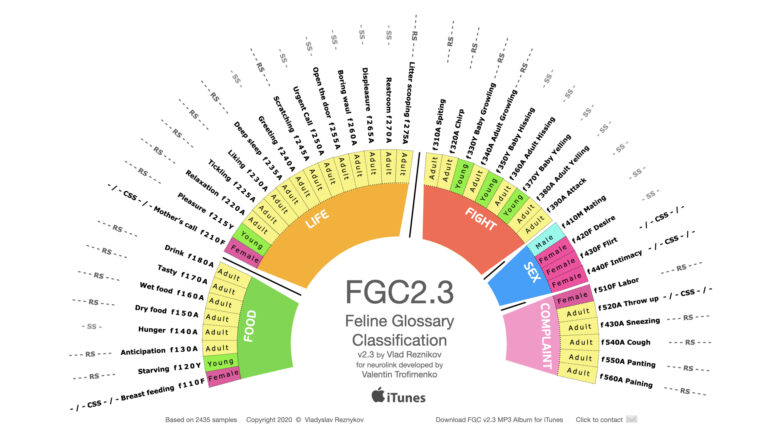
MIAMI, FL — The FGC2.3: Feline Vocalization Classification and Cat Translation Project, authored by Dr. Vladislav Reznikov, has crossed a critical scientific milestone — surpassing 14,000 reads on ResearchGate and rapidly climbing toward record-setting levels in the field of animal communication and artificial intelligence. This pioneering work aims to develop the world’s first scientifically grounded…

Tariff-Free Relocation to the US

Tariff-Free Relocation to the US

EU, China, and more are now in the crosshairs. How’s next? It’s time to act. The Trump administration has announced sweeping tariff hikes, as high as 50%, on imports from the European Union, China, and other major markets. Affected industries? Pharmaceuticals, Biotech, Medical Devices, IVD, and Food Supplements — core sectors now facing crippling costs,…

Global Distribution of the NRAs Maturity Levels as of the WHO Global Benchmarking Tool and the ICH data

Global Distribution of the NRAs Maturity Levels as of the WHO Global Benchmarking Tool and the ICH data

This study presents the GDP Matrix by Dr. Vlad Reznikov, a bubble chart designed to clarify the complex relationships between GDP, PPP, and population data by categorizing countries into four quadrants—ROCKSTARS, HONEYBEES, MAVERICKS, and UNDERDOGS depending on National Regulatory Authorities (NRAs) Maturity Level (ML) of the regulatory affairs requirements for healthcare products. Find more details…

Micro Graphene Drums Enable Medical Professionals to Detect Bacteria Through Sound Waves

Micro Graphene Drums Enable Medical Professionals to Detect Bacteria Through Sound Waves

Identifying bacteria by sight can be quite difficult. Why not listen to them instead?

Researchers at TU Delft in the Netherlands and the university’s spinoff company SoundCell think that bacterial infections could be diagnosed with sound. They’ve crafted a nanoscale drum kit that uses some of the world’s smallest percussion instruments to turn a bacterium’s motions into song.

Previously, the Delft researchers showed that listening to a germ’s drumbeat could quickly screen it for antibiotic resistance. Now, the same researchers have discovered that different bacteria play different sounds on the drum. They’ve shown they can identify a bacterium from its song alone.

“We can really look at the level of a single cell,” says Farbod Alijani, a mechanical engineer at TU Delft and one of the authors of a new paper. “We have that sensitivity.” Alijani and colleagues reported their latest findings this March in ACS Sensors.

How to build the world’s tiniest drum

The Delft researchers call their instrument of choice a “nanodrum.” Its drumhead is fashioned from two graphene sheets, less than 1 nanometer thick, laid atop a 8 micrometer-wide cavity. This size fits most bacteria, which are about one to 10 micrometers in length.

Several years ago, the Delft researchers noticed that, if a living bacterium settled on the graphene sheet, it would beat a pattern on the drumhead. They were detecting the life-form’s subtle motions, such as the whirling of the propellor-like flagellum the bacterium uses to move about. When the drumhead moved, it left signals on a beam of laser light reflected off the surface, allowing the researchers to record the bacterium’s motion.

The drum’s tiny size is key to pinpointing individual bacteria. The Delft researchers were not the first to capture bacteria in motion, but older methods usually had to average the movements of an ensemble of many bacteria because of their micro scale. By comparison, each graphene drumhead is small enough to isolate—and record—a single bacterium.

Graphene is key to this instrument’s construction. The material is both strong enough to support a bacterium’s weight and sensitive enough to bend with each subtle bounce on the drum.

Then, by converting its drumbeat to a soundtrack, it’s possible to literally hear the motions of a living bacterium. “It’s very noisy, like a wind tunnel,” says Aleksandre Japaridze, SoundCell’s Chief Technical Officer, who is also an author of the paper.

By contrast, “if you kill it with a drug, it’s immediately very silent, and you don’t hear anything.” In previously published work, when the researchers pumped an antibiotic onto drums played by E. coli, the drums fell quiet within hours. But when they did the same to E. coli they knew to be antibiotic-resistant, the bacteria played on, seemingly unaffected.

From one song to many

Over the following years, the Delft researchers refined their technology’s ability to screen bacteria for antibiotic resistance. Let a patient’s bacteria play the drums, then administer a given antibiotic—if the music stops, that antibiotic should work.

But their work took an unexpected turn after an attendee at a conference asked Alijani if different bacteria made different sounds. Unsure of the answer, the researchers wondered how they could find out.

It was clearly possible to tell a living bacterium from a dead one by listening alone, but separating one bacterium from another species required a more sophisticated approach. The Delft researchers recorded the drumbeats of different infectious bacteria from real patients’ samples. Instead of using raw sounds, the researchers processed them into time-frequency spectrograms, which allowed the researchers to more carefully study the patterns of each bacterium’s motion.

The researchers trained two different machine learning models to examine a spectrogram and identify its drummer as one of three species: E. coli; Staphylococcus aureus (responsible for staph infections); or Klebsiella pneumoniae (one of the germs that can cause pneumonia).

Both models, each with a different underlying architecture, scored high marks in testing: One classified bacteria with 87 percent accuracy, and the other achieved 88 percent. These results suggest that each species plays different characteristic notes when it moves on the drum.

“It’s a completely different way of interpreting the different species,” Japaridze says. “Not chemically or biologically, with markers and genes, but just purely on…mechanical behavior.”

Diagnosis through song and dance

The Delft researchers think their drums are a powerful diagnostic tool. SoundCell was originally spun off to commercialize the ability to quickly and easily determine whether a bacterium is resistant to a given antibiotic, and the researchers hope hospitals in the future will also listen to the songs of a patient’s sample to identify the infection.

Antimicrobial-resistant germs may be responsible for more than one million deaths each year and may play a part in millions more. There are many reasons that antibiotic-resistant bacteria are potent threats—one is that the tests for whether a microbe is resistant are relatively slow. Today’s tools may take days to report if a microbe is resistant to a given antibiotic. By comparison, SoundCell’s technology can do this in as little as an hour.

First, SoundCell must show their nanodrums can work in the hospital. The Delft researchers’ published work was conducted on a bulky apparatus on an optical table, within the controlled confines of a laboratory. So, SoundCell has repackaged their nanodrums into a smaller device better suited for hospital use.

SoundCell has now deployed this device at two hospitals in the Netherlands, Japaridze says, to verify their performance.

“Living Pharmacy” Implant Extends Lifespan of Drug-producing Cells Significantly

“Living Pharmacy” Implant Extends Lifespan of Drug-producing Cells Significantly

Cells that have been genetically engineered to produce drugs are a promising way to deliver medicines inside the human body, but keeping those cells alive is challenging. A new bioelectronic implant can now support populations of three different drug-producing cells for more than a month. The researchers behind the result say it’s a step toward “living pharmacies” that can deliver a range of drugs on demand.

But another promising avenue involves using genetic engineering to turn cells into living drug factories that can pump out a class of medicines known as “biologics”—drugs derived from living organisms. The U.S. Food and Drug Administration has approved biologics targeting a wide range of conditions, including various cancers, autoimmune diseases like arthritis and psoriasis, and chronic conditions like asthma and Crohn’s disease.

For the approach to work, the cells need to stay alive long enough in the host’s body to produce the correct dose of the medicine. One of the biggest barriers is ensuring that the cells receive enough oxygen to thrive. The multi-institution team behind the latest development has created a bioelectronic implant the size of a thumb drive that houses drug-producing cells and also uses electrochemical reactions to provide a reliable supply of oxygen to them.

Bioelectronic Implant Extends Cell Survival

In a recent paper in Device, the team showed the implant could sustain three different strains of engineered cells for 31 days when implanted in rats, providing steady production of multiple drugs. While the implant remains a proof-of-concept, the long term goal is to create a device that can control the timing and dosage of multiple therapies over extended periods, says Jonathan Rivnay, a professor of biomedical engineering at Northwestern University.

“Imagine a device that’s a few millimeters that you can put under your skin, and it can serve this purpose of a multi-therapeutic living pharmacy that can last for months to years,” Rivnay says. “That would be game changing. I think we have a long way to go, but the kind of advances that we’re writing about in this article are laying the foundation for what that might look like.”

Access to oxygen is the main limitation for this kind of cell therapy, says Omid Vseih, a professor of bioengineering at Rice University. The area directly under the skin, which is an attractive target for implants because it can be accessed using minimally invasive procedures, tends to be particularly poorly oxygenated.

One potential solution are electrochemical approaches that convert water into oxygen and hydrogen. But these approaches have primarily been developed for industrial applications that don’t translate well to the constraints of operating inside the body or using its water. Specifically, they have high power requirements and potentially produce toxic byproducts like chlorine and hydrogen peroxide.

Previous research from the same researchers demonstrated a device that used a thin film of iridium oxide as a catalyst to generate oxygen, which enabled it to run at voltages between 1.6 and 1.9 volts (lower than other electrochemical reactions), and minimized the creation of harmful byproducts. But the device still required an external power source.

HOBIT Wireless Oxygenation Implant System

Building on that work, the researchers have now built a device they call HOBIT (Hybrid Oxygenation Bioelectronics system for Implanted Therapy) that integrates an oxygenator, a chamber for housing cells, a wireless communication system to control oxygen production and transmit data, and an internal battery into a hermetically sealed implant just 4.5 centimeters long.

“I think the power is in the fully implantable nature of this platform,” says Chris Wright, a Ph.D. student at Rice. “You don’t need external power, you don’t need external devices that connect to it. That’s a big differentiator.”

The cells are encapsulated in permeable gel capsules that allow nutrients and drugs to pass through, but prevents cells from escaping or being attacked by the body’s immune system.

The device is able to house drug-producing cells at a density as high as 60 million per milliliter. That density allowed the researchers to load three different engineered cell strains designed to produce an anti-HIV antibody, a hormone that regulates metabolism, and a peptide similar to the weight loss drug GLP-1.

These drugs all last different amounts of time in the body, but by balancing the ratios of the cells and controlling the oxygen supply the researchers were able to maintain steady production of each drug therapy for 31 days. By the end of the trial, 64.6 percent of cells were still viable, compared to just 19.2 percent in a control device without an oxygenator.

This ability to produce several drugs at reliable levels over extended periods could significantly reduce the burden of administering complex multi-therapy treatment regimes, says Vseih. The team is already working to apply the technology as part of a project funded by the Advanced Research Projects Agency for Health (ARPA-H) called THOR (Targeted Hybrid Oncotherapeutic Regulation), which will produce multiple cancer-fighting immunotherapies with different half lives in the abdomen.

Rivnay says that they hope to one day augment the device with sensors that can detect various biomarkers, as well as ways to control drug production using optogenetics and electrogenetics—methods for altering the genetic activity of cells using flashes of light or pulses of electricity, respectively. “All of those things layer onto a more complex living-pharmacy-type system, building that longer term vision of not only controlling dose but controlling exactly when you supply a dose,” he says.

One outstanding challenge will be getting approval from the FDA—the agency has yet to sanction a biohybrid device that combines both living and non-living components. But Rivnay remains confident that with the right approach they can win over regulators.

“It’s just a matter of showing that it’s safe and showing that it’s effective,” he says. “That’s why we have to start relatively simple and not throw all the bells and whistles at it straight away.”

AI Tool Developed by Young Professionals Identifies Mental Health Issues

AI Tool Developed by Young Professionals Identifies Mental Health Issues

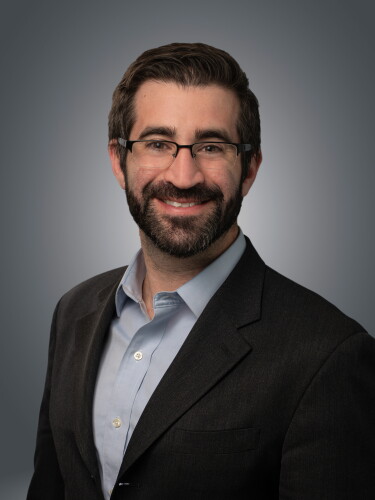
Abhishek Appaji has committed his career to bringing lifesaving technology to underresourced communities. The IEEE senior member weaves together artificial intelligence, biomedical engineering, deep learning, and neuroscience to make doctors’ jobs easier and to improve patient outcomes.

“The intersection of these fields is where the most impactful breakthroughs in diagnostic precision occur,” says Appaji, an associate professor of medical electronics engineering at the B.M.S. College of Engineering, in Bengaluru, India.

Abhishek Appaji

Employer

B.M.S. College of Engineering, in Bengaluru, India

Job title

Associate professor of medical electronics engineering

Member grade

IEEE senior member

Alma maters

B.M.S. College of Engineering; University of Visvesvaraya, in Bengaluru; Maastricht University, in the Netherlands

Many of his inventions have been deployed in remote areas of India, providing physicians with quality diagnostic tools, including an AI-powered machine that can scan retinas to detect medical conditions and a smart bed that continuously monitors a patient’s vital signs.

An active volunteer with the IEEE Young Professionals Bangalore Section, he has launched professional networking events, technology workshops, a mentorship program, and other initiatives.

For his “contributions to accessible AI-driven health care solutions and leadership in empowering young professionals,” Appaji is the recipient of this year’s IEEE Theodore W. Hissey Outstanding Young Professional Award. The honor is sponsored by the IEEE Photonics and Power & Energy societies as well as IEEE Young Professionals. The award is scheduled to be presented this month during the IEEE Honors Ceremony in New York City.

“This award represents a significant milestone in my career,” Appaji says. “It validates my core belief that our success as engineers is not solely measured by research outcomes or publications but by the tangible impact we have on lives through accessible technology and the quality of the next generation of leaders we empower.”

Developing a blood glucose measurement device

After earning a bachelor’s degree in engineering from B.M.S. in 2010, he joined the school as a lecturer in its medical electronics engineering department. At the same time, he pursued master’s degrees in bioinformatics at the University Visvesvarya College of Engineering, also in Bengaluru. He graduated in 2013 and continued to teach at B.M.S.C.E.

Four years later, Appaji signed up for the MIT Global Entrepreneurship Bootcamp, a two-week intensive hybrid program that includes webinars, online courses, and a five-day stay at MIT. It’s designed to give teams of aspiring entrepreneurs, innovators, and early-stage founders the structured mindset, tools, and frameworks they need to succeed.

Appaji says he discovered the program while researching opportunities in innovation.

“I had the technical expertise, but I needed a structured framework to transition my research from the laboratory to the market,” he says.

During the MIT boot camp, he and a team of four other participants were tasked with approaching a complex health care challenge. They developed a noninvasive blood glucose measurement device to manage gestational diabetes—a condition that causes high blood sugar and insulin resistance during pregnancy. When the program ended, Appaji and two of his Australia-based teammates continued their collaboration by founding Glucotek in Brisbane, Australia.

Inspired to continue his research in health care technology, Appaji pursued a doctorate in mental health and neurosciences at Maastricht University, in the Netherlands.

His thesis focused on computational methods to identify retinal vascular patterns.

“The patterns we analyze—including the curvature of the vessels, the angles at which they branch out, and their dimensions—reveal the health of the microvascular system,” he says. “With conditions like schizophrenia and bipolar disorder, microvascular changes mirror neurovascular changes in the brain.”

“My journey has shown me that IEEE is much more than a professional society; it is a global platform that allows me to collaborate with a diverse network of experts to solve local humanitarian challenges.”

Examining and measuring the retinal vascular system offers physicians a noninvasive way to examine neural changes, which can be biomarkers for psychiatric illnesses, he says.

To bring his idea to life, he collaborated with an ophthalmologist, a psychiatrist, and colleagues from his engineering school to develop a screening device. They also created and trained the AI models that analyze retinal images.

Ideas from his thesis led to the creation of the Smart Eye Kiosk, an AI-powered tool that scans the network of small veins that deliver blood to the inner retina. The tool monitors stress levels and mental health. It also screens for basic eye diseases such as diabetic retinopathy, as well as damage to retinal blood vessels caused by high blood sugar.

Retinal images also can reveal physiological changes in the brain associated with psychiatric disorders such as schizophrenia and bipolar disorder, Appaji says. The kiosk uses AI models to analyze measurements of the vasculature network, such as vessel thickness, which can be biomarkers for psychiatric conditions. Since mental illnesses can be linked to genetics, relatives of patients with schizophrenia and bipolar disorder were also invited to participate in a study funded by India’s Cognitive Science Research Initiative’s Department of Science & Technology. The clinical data from this study can pave the way for earlier, more accurate diagnoses.

“The biological basis for this is fascinating,” Appaji says. “The retina is the only place in the human body where the central nervous system and the vascular system can be visualized directly and noninvasively. Anatomically, the retina is an extension of the posterior part of the brain. Therefore, physiological changes in the brain are often reflected in the eyes.”

This kiosk was developed in collaboration with Tan Tock Seng Hospital and Nanyang Technological University, which was funded by Ng Teng Fong Healthcare Innovation Program.

He earned his Ph.D. in 2020 from Maastricht, and he received the Best Thesis Award from the university’s Mental Health and Neuroscience Research Institute. Appaji credits his time at the school for his multidisciplinary approach to developing medical devices.

“Having the perspectives of mentors from diverse fields was essential to help me move my research beyond theory into a data-driven diagnostic tool,” he says.

He was then named institutional coordinator of R&D at B.M.S. and later was promoted to be its head.

An adult Indian man looking at a rectangular device in his hand, labeled u201cdozeeu201d. Abhishek Appaji working on a smart bed sensor that continuously monitors a patient’s vital signs without the use of wires or wearable sensors.Abhishek Appaji

A wireless smart bed to monitor vital signs

Appaji continues to develop technologies for patients who need them most. “I feel a deep need to bridge this gap and ensure innovations have a tangible impact on society,” he says. In addition to the Smart Eye Kiosk, he improved the performance of the sensors of the smart beds that continuously monitor a patient’s vital signs without the use of wires or wearable sensors. The beds help hospital staff check on their patients in a noninvasive way.

The project was done in collaboration with health AI company Dozee (Turtle Shell Technologies) in Bengaluru. The system measures mechanical microvibrations produced by the body in response to the ejection of blood into the aorta, which occurs with each heartbeat. A thin, industrial-grade sensor sheet is placed underneath the mattress. Additional funding is being provided by India’s Department of Science and Technology.

“These sensors are incredibly sensitive,” Appaji says. “They pick up minute mechanical tremors through the mattress material.”

The sensors detect the force of the patient’s heartbeat and the expansion and contraction of their chest during respiration. The vibrations are converted into electrical signals and analyzed using deep learning algorithms developed by Appaji and his team at the university in collaboration with Dozee.

The technology is used in more than 200 hospitals throughout India and in thousands of households, he says.

Mentoring budding entrepreneurs

Appaji is also executive director of the BMSreenivasiah Innovators Guild Foundation, dedicated to nurturing entrepreneurial talent among students and faculty across the BMS group of Institutions. A not-for-profit company promoted by the BMS Education Trust, BIG Foundation provides a structured ecosystem for innovation, incubation, and startup growth.

There, Appaji mentors budding entrepreneurs, offering advice on business plans, product pitches, marketing strategies, and licensing. Participants are students and faculty members.

The foundation has incubated more than 10 ventures, according to Appaji.

“The majority are centered on health care applications,” he says, “and have successfully secured backing from investors and seed funds.”

Taking IEEE’s mission to heart

Appaji was introduced to IEEE as an undergraduate when one of his professors encouraged him to volunteer for a conference sponsored by the IEEE Engineering in Medicine and Biology Society. He transcribed the seminars for session chairs, assisted with managing the talks, and helped answer attendees’ questions.

“That experience was transformative,” he recalls. “I was amazed to find myself in the same room with the speakers and scientists who had authored the very textbooks I was studying.

“It was then that I realized IEEE is far more than just technology and volunteering; it is a global platform for high-level networking with world-class scientists and technologists.”

Appaji has served in several IEEE leadership positions, including 2018–2019 chair of the Young Professionals Bangalore Section. He is now treasurer of the IEEE Education Society, chair of IEEE Computer Society Bangalore Chapter, member of the steering committee of IEEE DataPort, and serves on the IEEE Member and Geographic Activities and IEEE Educational Activities boards.

“What motivates me to remain active within IEEE is the profound alignment between my personal goals and the organizational mission of advancing technology for the benefit of humanity,” he says. “My journey has shown me that IEEE is much more than a professional society; it is a global platform that allows me to collaborate with a diverse network of experts to solve local humanitarian challenges.”

The organization has helped fund some of Appaji’s lifesaving work. During the COVID-19 pandemic, he received a grant from the IEEE Humanitarian Technologies Board and Region 10 to develop 3D-printed protective equipment for people in Bengaluru’s underserved communities. The virus spread quickly in the high-density areas, where social distancing was nearly impossible. The kits, which included a door opener to avoid high-touch surfaces and an elbow-operated soap dispenser, were sent to nearly 500 households.

“This work remains one of my most meaningful contributions to humanitarian technology,” Appaji says, “demonstrating how engineering can be rapidly deployed to protect vulnerable populations during a global crisis.”

He advises younger IEEE members to: “Say yes to taking on roles of responsibility. Don’t wait for a formal title to lead; instead, start by volunteering to do small, manageable tasks within your local chapter or section.”

“The networking opportunities and leadership skills you gain through these early responsibilities will shape your professional career far more than any textbook ever could.”

Researchers Create Biological Robots Featuring Functional Nervous Systems

Researchers Create Biological Robots Featuring Functional Nervous Systems

Engineers have long tried to mimic life. They’ve built machine learning algorithms modeled after the human brain, designed machines that walk like dogs or fly like insects, and taught robots to adapt, however clumsily, to the world around them.

Now they are skipping imitation altogether.

Instead of taking inspiration from biology, they are building robots out of it: fashioning tiny, free-swimming assemblages of living cells that organize into self-directed systems, complete with neurons that wire themselves into functional circuits.

The result, reported last month in Advanced Science, is what the researchers call a “neurobot.”

These living machines could help scientists better understand how simple neural networks give rise to complex behaviors, a foundational step toward building cyborg systems that integrate biological tissue with engineered control. And with further refinement, they could be put to use in applications ranging from precision tissue repair to environmental cleanup.

“My general reaction is, ‘Wow, this is amazing!’ ” says Kate Adamala, a synthetic biologist at the University of Minnesota Twin Cities, who was not involved in the research. “This truly puts the engineering component into bioengineering.”

Toward Internal Control

Neurobots mark the latest advance in a series of increasingly sophisticated biological machines developed by Tufts University biologist Michael Levin and his collaborators.

First described in 2020, these clusters of living cells, when removed from their normal developmental context and cultured in simple saline conditions, spontaneously self-organize in such a manner that they move and act in novel ways. Under the microscope, they look like irregular, translucent blobs of tissue, but their coordinated motion reveals an emergent order that is unlike anything found in the natural world.

“These things don’t occur naturally,” says Carlos Gershenson, a computer scientist at Binghamton University, State University of New York, who studies artificial life and complex systems but was not involved in the neurobot research. “They’re made with natural cells, but we’re the ones arranging them.”

The earliest examples of this technology, called xenobots, were built from frog-derived tissues and mainly from a single type of structural cell. Despite the simplicity of their construction, however, they could propel themselves through water using beating hair-like projections called cilia. They survived for days without added nutrients. And they could repair minor damage, all without any scaffolding materials or genetic manipulation. Some could even self-replicate by spontaneously sweeping up loose stem cells.

Still, for all the novelty of these biological machines, their behavior was essentially mechanical. Their movements were driven by anatomy and physics, not by anything resembling internal control. They could sense chemical cues, change direction accordingly, and even retain traces of past experiences, as detailed in a preprint posted 17 March on bioRxiv.

But many other simple organisms—fungi, protists, and bacteria included—can do much the same. To achieve more flexible, coordinated behavior, they would need a way to integrate information across the body and dynamically direct their actions. Neurobots begin to provide that missing layer of control.

Small tufts of hairlike cilia, combined with the neurobot’s nervous system, allow it to move on its own. Haleh Fotowat

Linking Neural Activity to Action

Like earlier xenobots, neurobots are still built from frog cells, but they are now endowed with neurons that mature from partially differentiated stem cells. These nerve cells develop alongside structural tissues, forming branching connections throughout the autonomous beings. This means they can relay electrochemical signals from cell to cell.

And unlike other laboratory models of the nervous system—brain organoids, say, or lab-on-a-chip technologies—neurobots move. They swim, explore, and respond to their surroundings in ways that tie electrical signaling to observable movement, producing patterns of physical activity distinct from their non-neural counterparts.

Neurobots spend less time idling and more time exploring. They also trace looping and spiraling paths rather than repeating simple trajectories. And they respond differently to neuroactive drugs.

If the organizing principles that enable these internally guided motions and reflexes can now be deciphered, they could then be harnessed to produce more predictable biological functions, says Haleh Fotowat, a neuroengineer from Harvard’s Wyss Institute for Biologically Inspired Engineering, who collaborated with Levin’s team on the study.

“We’re still very early in terms of understanding the system and its capabilities.” But once the scientists understand how the neurobots self-organize, she says, “then we can begin to engineer on top of that.”

Beyond the practical, neurobots also raise deeper epistemological questions about the nature of biological organization, notes Levin. “Where does form and function come from in the first place?” he asks. “When it’s not evolved and it’s not engineered, where do these patterns come from?”

“This is a model system for asking those kinds of questions,” Levin says—in frog and human constructs alike.

From Discovery to Deployment

Among the many variations on the biobot theme are “anthrobots,” built from clusters of human lung cells instead of frog tissue.

Levin’s team now plans to add human neural cells to their anthrobots, extending the neurobot framework into a fully human context. Then, through further conditioning and guided learning, these living machines—like dogs trained to sniff for bombs—may become capable of adapting their behavior in predictable ways.

“The hope would be that you could teach them or train them to do what you want them to do,” says Josh Bongard, a computer scientist and roboticist at the University of Vermont.

Bongard was not involved in the neurobot study but is a frequent collaborator of Levin’s. Together, they cofounded the nonprofit Institute for Computationally Designed Organisms and a commercial startup, Fauna Systems, to advance biobot-related technologies.

According to Fauna CEO Naimish Patel, the company is initially targeting environmental sensing applications, aiming to deploy xenobots in settings such as aquaculture, wastewater monitoring, and pollutant detection, where the technology’s ability to integrate multiple signals could provide an early readout of ecosystem health.

If the xenobots encounter a mixture of stressors—say, elevated heavy metals, shifts in pH, and traces of agricultural runoff—their collective changes in movement or activity could provide a sensitive, real-time signal that something in the environment is amiss.

Precedent for this idea comes from Poland, where many cities already use freshwater mussels as living sentinels of water quality, wired with sensors that register when the animals clamp their shells shut in response to pollutants. Xenobots could extend this concept further, Patel says, potentially offering greater sensitivity and specificity by integrating multiple environmental cues into a single, measurable behavioral response. And neurobots could eventually push this fusion of sensing and computation into ever more sophisticated territory, he adds.

But the technical hurdles remain substantial—and the practical opportunities with simpler, non-neural versions are already compelling—so the first-gen xenobots, for the time being, remain the focus of Fauna’s initial product-development efforts, Patel says. “Right now, we’re looking for the intersection between unmet commercial need and emerging capability.”